
How to open Notepad in Windows
WordPad is a basic word processing program installed on most Windows PCs. It allows you to create and edit documents, but it lacks some of the more advanced features of other word processing applications. Despite its limited functionality, WordPad can be a useful tool for quickly creating and editing simple documents.
If you're new to Windows, you might not know how to open Notepad. Here are some quick and easy ways to launch Notepad on your Windows PC.
recommend:How to fix Microsoft Edge crashes when printing on Windows 11
If you're unsure how to open Notepad on your Windows PC, don't worry! You can easily find and launch the program using the Windows search tool.
To open Notepad using the search tool, please follow these steps:
- Go to the Start menu and search for "WordPad".

How to open Notepad in Windows
- You should see the WordPad program pop up in the results. Simply click it to launch the program.
When you open WordPad, you can start typing or pasting text and access formatting options using the ribbon interface.
2. How to open Notepad using File Explorer
You can also use Windows File Explorer to access some useful programs installed on your Windows PC. To open Notepad using Windows File Explorer, follow these steps:
- Open Windows File Explorer (see how to open File Explorer on Windows).
- In the address bar, type the following and then press Enter. Enter:
C:\ProgramFiles\WindowsNT\Accessories\wordpad.exe
The WordPad application will open on your computer.
recommend:How to fix character mapping not working on Windows
3. How to open Notepad using the Run dialog box
If you're looking for a quick way to open Notepad on your Windows PC, the "Run" dialog box is the best option. Here's a step-by-step guide on how:
- according to win + R Open the "Run" dialog box on your keyboard.

- In the dialog box, type "WordPad" and click. EnterYou can also type "write" instead of Notepad.
The WordPad application will now launch.
4. How to open Notepad using Task Manager
Task Manager is a built-in application on Windows that provides users with information about the processes and programs running on their computer. It can be used not only to monitor computer performance and terminate unresponsive applications, but also to launch Windows programs.
Task Manager has a "Run new task" feature that lets you run Notepad without having to go to the Windows Start menu. This option can be helpful when the Start menu isn't working, or if you want to launch a program with settings different from the defaults.
The following steps will guide you through opening Notepad using Task Manager:
- Right-click the taskbar and select task manager From the menu that appears. You can also press Ctrl + Shift + Esc Access the tool directly from the keyboard.
- In the top bar, click Run a new task In the "Processes" tab.

- When the pop-up window appears, type "Notepad" in its search box.
- Click now OK Launch the WordPad application.
5. How to open Notepad using the Control Panel
If you are a Windows user, you may already know what the Control Panel is. This tool allows you to view and manipulate basic system settings, but it's not limited to that; you can also use it to launch various applications.
To open WordPad using the Control Panel, please follow these steps:
- according to Win+Q On your keyboard, type "Control Panel" in the search bar.
- Select the control panel application that appears in the search results.
- In the Control Panel, change the screen view to... Large icons.
- Click now Windows Tools At the bottom of the screen.

- Next, you will find WordPad in the right pane. Double-click it to open the WordPad application.
recommend:How to use Apple Music Sing on iPhone, iPad, and Apple TV
6. How to open Notepad using Command Prompt or PowerShell
In this age, we rely so heavily on technology that even the simplest tasks can be daunting if we don't know how to do them. Opening Notepad is a basic task that can be easily accomplished by running simple commands in the command prompt or Windows PowerShell.
To do this, please follow these steps:
- Open the "Run command" dialog box (see How to open "Run" on Windows).
- Type "cmd" to open the command prompt, and type "powershell" to open Windows PowerShell.
- Now press Ctrl + Shift + Type On your keyboard.
- If a UAC prompt appears on the screen, please click [click here]. Yes Granting privileges.
- Type "write.exe" in the command prompt or PowerShell window.
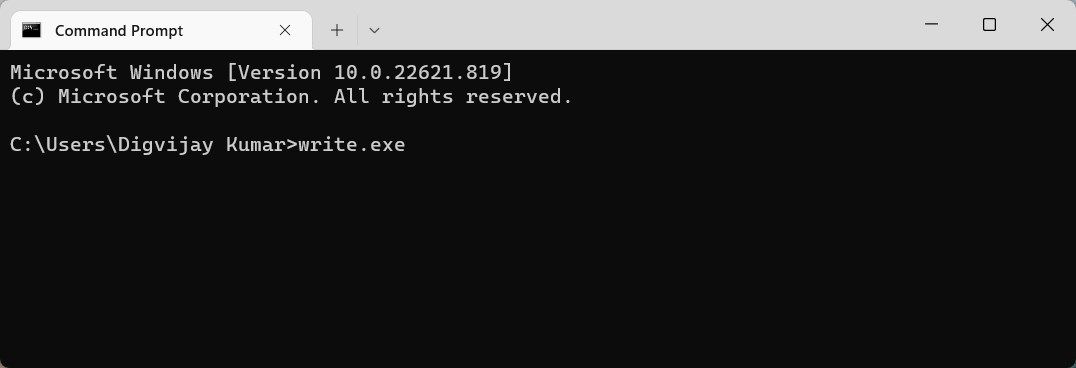
- according to Enter Now for the crucial part. You will see the WordPad application on your computer screen.
Windows has a lot of features, and it can be a bit tricky if you're unsure where to look. To make things easier, Windows has a very useful Start Menu. It's a great way to quickly access all your applications and programs, including Notepad.
To open Notepad using the Start menu, follow these steps:
- Open the Start menu.
- Click in the upper right corner of the screen. All apps.
- Scroll down to the bottom and click Windows Tools.
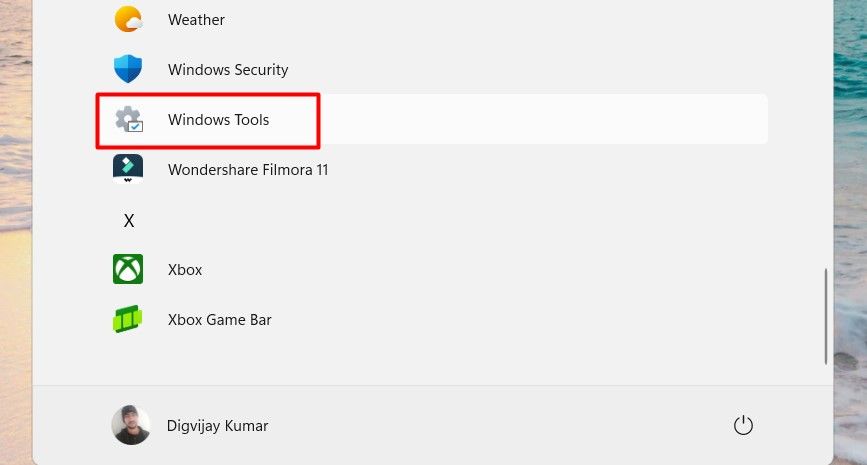
- The next screen displays a list of Windows tools for you to choose from.
- double click writing board Open it.
8. How to open Notepad by creating a desktop shortcut
If you want to access WordPad directly from your desktop, you can create a desktop shortcut. To do this, follow these steps:
- according to win+ E Open File Explorer.
- Go to the address bar and search for the following:
C:\Program Files\Windows NT\Accessories\ - Right-click now writing boardThen select Show more options > Create shortcut.
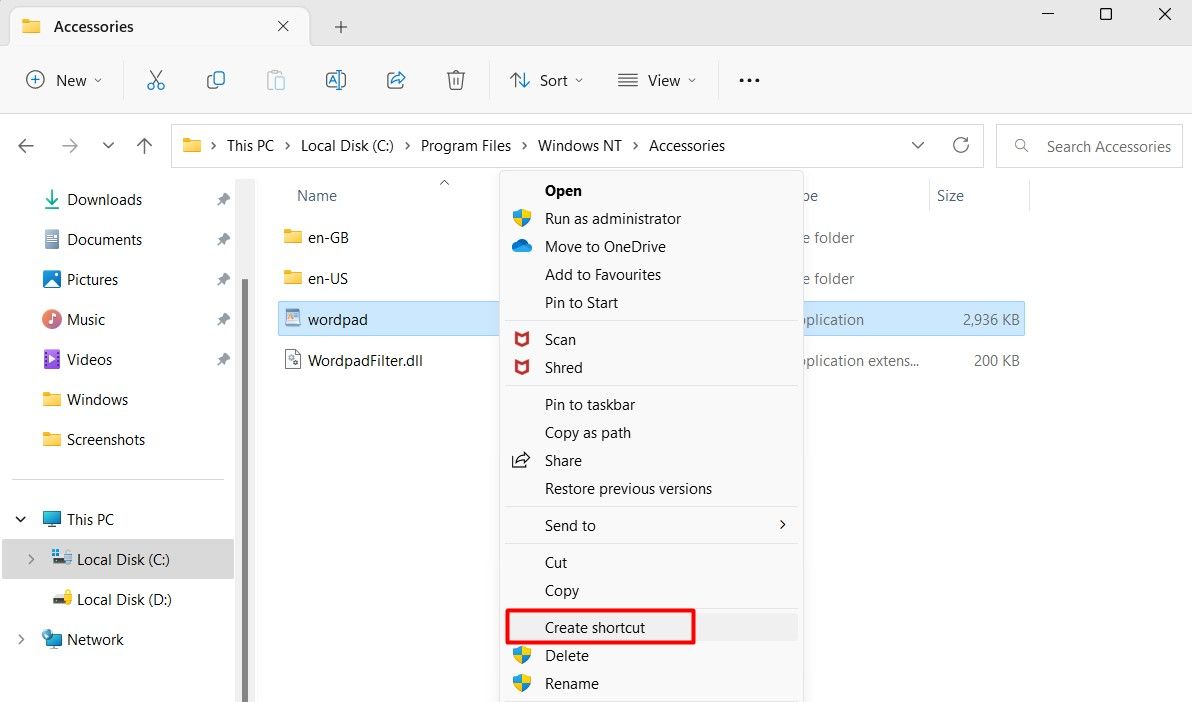
- If Windows asks you for confirmation, please click [here]. Yes Create it.
You will find a shortcut to Notepad on your desktop; double-click the shortcut to open it.
You can also pin your favorite apps and programs to the Start menu or taskbar so you can easily find and launch them. Here's how:
- Click "Start" and search for "WordPad".
- Now right-click the search result and select Pin to taskbar Or Pin start.
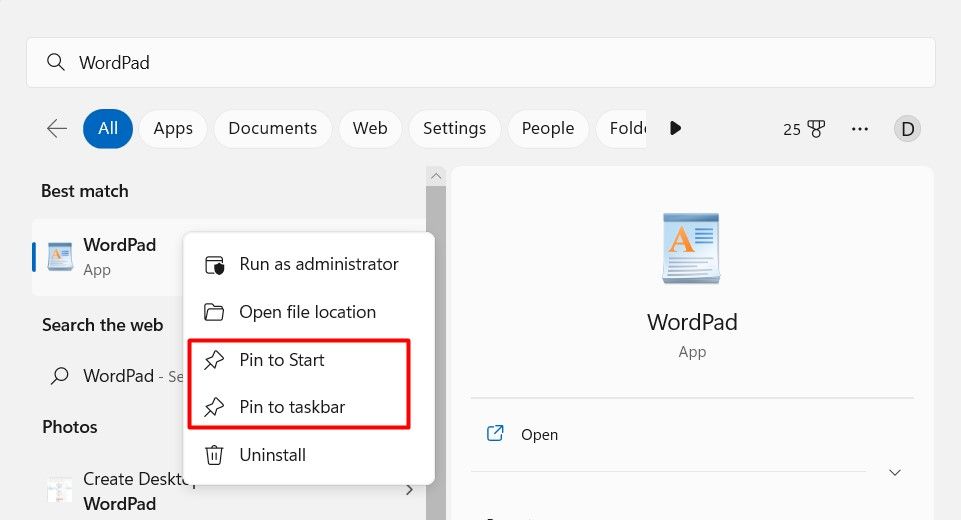
Everything here belongs to it. By following these simple steps, you will be able to open the writing pad immediately.
Easily access WordPad on Windows
WordPad is a simple yet powerful text editor available on all versions of Windows. However, if you are new to Windows, following the instructions above will provide you with several ways to open WordPad.

 Chinese (China)
  English
  Chinese (Taiwan)
  Russian
  Japanese